10 Things to Check Before a Used Car Inspection
10 Things to Check Before You Arrange a Used Car Inspection
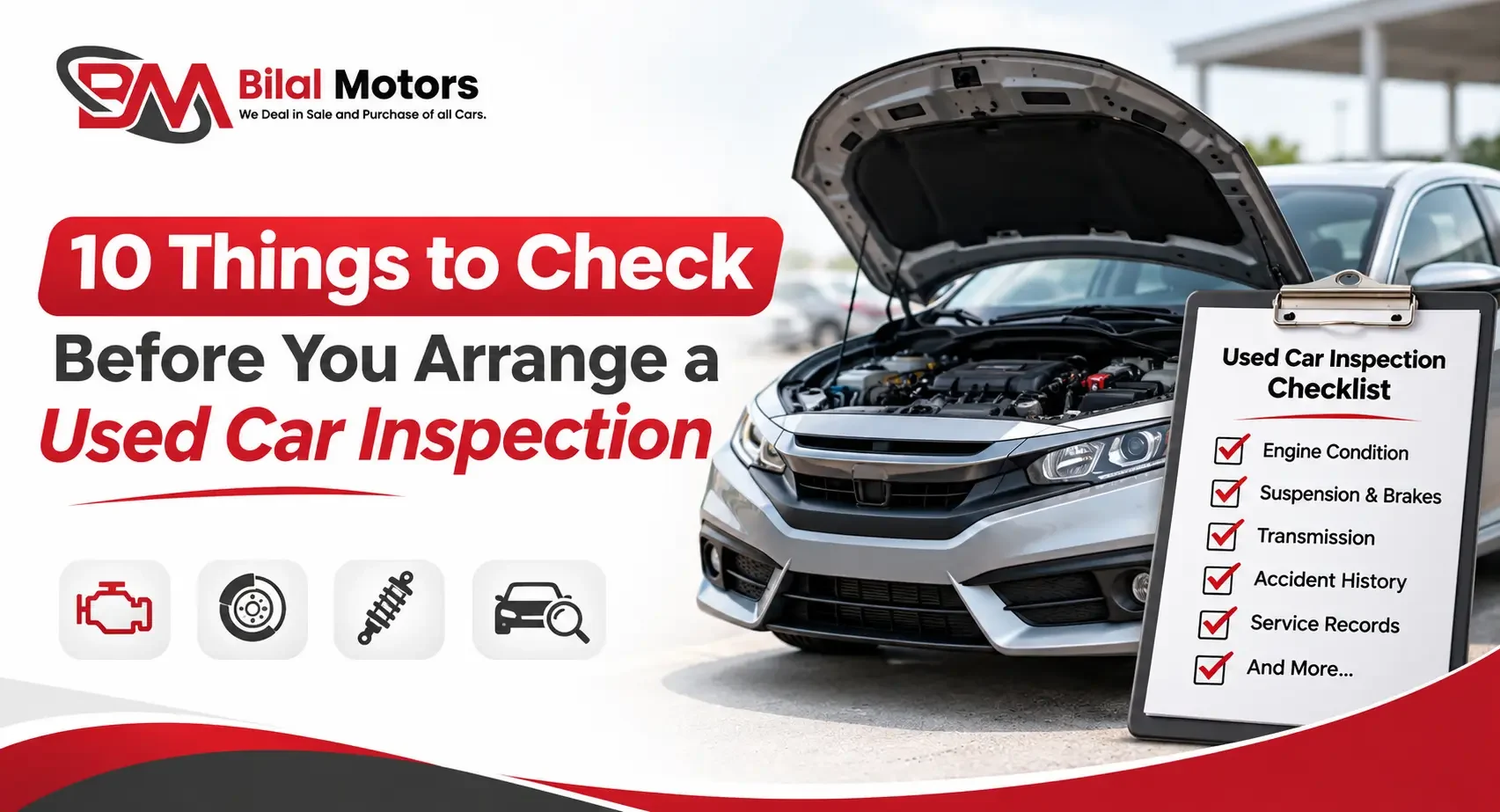
Found a used car that looks promising? Before booking an inspection, confirm that the seller, vehicle and appointment arrangements are ready. Missing records, restricted access or unavailable keys can leave important questions unanswered.
If you are considering a pre-purchase car inspection service in Karachi, use these ten checks to prepare for the visit.
Quick answer: Confirm the exact car, seller permission, records, location and inspection scope. Then agree on the booking terms and leave time to review the findings before committing.
Why Preparation Matters Before a Used Car Inspection
A little preparation helps the inspector complete the agreed assessment and focus on your concerns.
- Access matters: Locked areas, missing keys or refused testing can limit the inspection.
- History adds context: Records and disclosed symptoms help explain what needs attention.
- Scope varies: A general condition assessment may not include specialist diagnosis.
Your role is to gather information and arrange access. You do not need to diagnose faults yourself.
1. Confirm the Car Fits Your Needs and Purchase Budget
Make sure the vehicle is a serious option before arranging an appointment.
- Check everyday suitability: Consider passenger space, transmission, intended use and the maintenance responsibility you can manage.
- Compare similar cars: Match the model year, variant, mileage and stated condition when you browse used cars in Karachi.
- Discuss the asking price: Establish whether the seller’s expectations are within reach. An advertised price is not a confirmed sale value.
- Keep a maintenance reserve: Leave room for immediate servicing and possible repairs instead of spending your entire budget on the purchase.
- Set your limits: Know which findings would make the car unsuitable, while accepting that inspection may change your view of its value.
2. Check the Seller’s Identity and Authority to Sell
Find out who you are dealing with and how they are connected to the vehicle.
- Clarify their role: Ask whether the person is the registered owner, a dealer or someone representing another person.
- Ask for supporting information: Establish how their authority to sell will be verified through relevant records.
- Identify the right contacts: Know who can answer ownership questions, provide access and complete the sale.
- Resolve inconsistencies: Ask for explanations if names or details do not match. A mechanical inspection cannot resolve ownership concerns.
- Handle documents carefully: Review what is needed without unnecessarily circulating copies of personal information.
3. Match the Listing With the Exact Vehicle Details
Give the provider a clear record of the car you want assessed.
- Save the advertisement: Keep the listing and photographs so you can compare later information with the original description.
- Record the specifications: Note the make, model, year, variant, transmission, fuel type and stated mileage.
- Confirm identifying details: Supply the registration and other vehicle information requested by the inspection provider.
- Check the current location: Ask where the car will actually be available rather than relying only on the advertised area.
- Question discrepancies: Clarify differences in mileage, variant or specifications. Label each vehicle clearly if you are considering several cars.
4. Ask for Maintenance History and Known Faults
Collect useful background information and pass your main concerns to the inspector.
- Request available records: Ask for service invoices, maintenance entries and evidence of significant repairs.
- Discuss known symptoms: Ask about warning lights, overheating, starting problems, unusual noises and transmission behaviour.
- Ask about previous work: Clarify body repairs, reported water exposure, major component repairs and modifications.
- Understand ownership history: Ask how long the seller has owned the car, how it was used and why it is being sold.
- Describe concerns precisely: “Hesitation after warming up” gives the inspector more useful context than a general request to check the engine.
Missing records do not automatically mean the car is faulty, but they limit the evidence supporting its maintenance claims.
5. Identify Which Document and Historical Checks Are Separate
A condition inspection does not automatically verify ownership or the vehicle’s complete history.
- Confirm the booked scope: Ask which document checks, if any, are included in the inspection service.
- Plan separate verification: Arrange to compare vehicle identification details with available records and clarify ownership information.
- Review import history where relevant: Use Japanese auction sheet verification to review an available historical record.
- Check transfer arrangements: Explore car ownership transfer assistance if you need help, and confirm the tasks covered.
- Resolve questions before payment: Check current official requirements with the relevant registration authority and avoid leaving important discrepancies unanswered.
An auction record describes a point in the car’s past. It does not replace an inspection of its present condition.
6. Obtain the Seller’s Permission for the Agreed Assessment
Permission for a viewing does not necessarily include permission for every inspection check.
- Explain the proposed assessment: Discuss the provider’s scope with the seller before confirming the appointment.
- Agree on specific access: Clarify permission for scanning, a road test or workshop access where these checks are planned.
- Confirm who will attend: Someone with the keys and authority to allow the agreed checks should be available.
- Set road-test arrangements: Agree who will drive and how the vehicle will be used. Never assume permission to take it away.
- Ask about restrictions: Understand any refusal and decide whether the remaining checks can answer your purchase questions.
For auctions, confirm inspection access and bidding terms before committing. Related reading: Bilal Motors’ October live car auction announcement, covering the advertised 23–25 October 2026 event. Check future-event arrangements separately.
7. Confirm the Location and Suitable Inspection Conditions
Choose a setting that allows the agreed assessment to take place safely.
- Share an accurate location: Send the address or location pin, a reliable contact number and any entry instructions.
- Check coverage: Confirm that the provider can attend the location and whether different arrangements are required.
- Prioritise visibility: Adequate light and reasonably clean, dry bodywork help visual observations. Rain or poor lighting may limit them.
- Allow working space: Make sure doors, the bonnet and boot can open without nearby vehicles blocking access.
- Discuss underbody access: If lifting is needed, arrange suitable workshop facilities. Do not assume a roadside visit includes lifting equipment.
Tell the inspector about recent cleaning or repairs that may affect observations. A polished exterior or clean engine bay does not establish condition.
8. Arrange a Cold Start Keys and Access to the Vehicle
Prepare the car so the inspector can complete the checks you have agreed.
- Request a cold start: If included, ask the seller to leave the engine unstarted before the appointment.
- Disclose a warm arrival: If the car must be driven to the location, tell the inspector so the limitation can be recorded.
- Have the keys ready: Confirm access to the bonnet, boot and other relevant areas.
- Prepare the records: Keep available maintenance information ready to review rather than searching for it during the visit.
- Mention starting or mobility problems: A non-running car has different inspection limitations. Do not assume the provider will repair it or make it roadworthy.
An already warm engine does not automatically mean something is being hidden. Discuss whether another visit is needed for the missed cold-start check.
9. Match the Provider and Inspection Scope to the Car
Choose an assessment that fits the vehicle and the questions you need answered.
- Ask about relevant experience: Confirm familiarity with the make, model, powertrain and any modifications.
- Request the checklist: Establish what is included, excluded or dependent on access.
- Confirm additional tests: Ask specifically about scanning, road testing, paint-depth measurements and underbody access.
- Flag specialist concerns: Hybrid battery condition, recurring transmission symptoms or suspected structural repairs may need targeted assessment.
- Record the limitations: Know which areas will remain unchecked and what further testing may be recommended.
Bilal Motors’ page describes visible body and paint, key visible mechanical areas, instrumentation, tyres, wheels and cabin checks. Confirm additional testing directly. A large checklist count alone does not establish suitability.
10. Confirm Booking Terms Findings Delivery and Your Decision Timeline
Make the arrangements clear and leave time to review the findings before deciding.
- Agree on the terms: Confirm the fee, any travel arrangements, payment method and cancellation or rescheduling conditions.
- Ask how findings are supplied: Clarify whether written observations, photographs or a scored report are available, and when you can expect them.
- Arrange follow-up questions: Establish whether you can discuss unclear observations with the provider.
- Clarify any token payment: Document the seller’s terms and what happens if inspection or verification raises concerns. Do not assume a payment is refundable.
- Plan for your absence: If you cannot attend, agree who provides access and how the provider will contact you.
- Confirm the appointment: Wait for an agreed time slot. Submitting an enquiry form alone does not confirm the booking.
Avoid scheduling final payment so tightly that you cannot investigate an important finding.
A Quick Checklist Before You Confirm the Appointment
Use this final review to catch missing arrangements:
An unanswered item does not always mean cancelling. Resolve it where possible or understand how it will limit the assessment. Do not treat an important unchecked area as a passed item.
Conclusion
A useful inspection starts with preparation. Confirm the seller and vehicle details, gather available records, arrange access and agree on the inspection scope. Leave enough time to review the findings and resolve important questions before committing to the purchase.
Ready to take the next step? Request a used car inspection with Bilal Motors and confirm the appointment details with the team.
Frequently Asked Questions
What should I ask the seller before arranging a used car inspection?
Confirm the exact vehicle details, ownership position, available maintenance records and any known faults. Ask for permission for the proposed checks and establish who will make the car and keys available.
Should I inspect a car before paying token money?
Where possible, arrange inspection before a non-refundable commitment. If the seller requests a token first, clarify and document the terms, including what happens if inspection or verification raises concerns. Do not assume it is refundable.
What details should I send to the inspection provider?
Send the make, model, year, variant, transmission or powertrain, location and relevant identifying details requested by the provider. Include seller contact arrangements and any symptoms, modifications or access restrictions.
Should the engine be cold when the inspector arrives?
A cold start can provide useful observations, so arrange one if it is part of the agreed assessment. If the engine has already run, tell the inspector and discuss how that affects the check.
Can I book an inspection without being present?
Ask the provider whether this is possible. Agree on seller permission, keys, access and how findings will reach you. Make yourself available to discuss concerns before taking the next purchase step.
What if the seller refuses an independent inspection?
Ask why and whether another reasonable arrangement is possible. If essential checks remain blocked, you may lack the evidence needed to proceed confidently. You can pause or choose another vehicle.
Does an inspection include ownership and auction sheet verification?
Not automatically. Physical condition, ownership information and auction history are separate areas. Confirm the booked scope and arrange any remaining verification before completing the purchase.
Does a hybrid car need a different inspection arrangement?
It may need specialist battery or system assessment. Tell the provider the exact model and ask what equipment and testing are available, what is included and what remains outside the assessment.